Electrical systems are the backbone of every modern building. From powering lighting and heating to supporting IT infrastructure, machinery and security systems, a reliable electrical installation is essential for keeping a property safe, efficient and productive.
However, electrical systems don’t last forever. As buildings age and technology advances, older installations can struggle to meet increasing power demands or comply with current safety standards. Ignoring the warning signs may lead to higher energy costs, frequent disruptions and, in some cases, serious safety risks.
Whether you own a commercial property, industrial facility or residential development, recognising when your electrical system needs upgrading can help you avoid costly breakdowns and improve the long-term performance of your building.
Here are ten common signs that it may be time to modernise your electrical infrastructure.
1. Frequent Circuit Breaker Trips
Occasional circuit breaker trips are normal, particularly if a temporary fault occurs. However, if breakers trip regularly, it could indicate that your electrical system is overloaded or that there is an underlying fault.
Many older buildings were designed when electrical demand was much lower than it is today. Modern workplaces rely on computers, servers, air conditioning, charging points, kitchen equipment and specialist machinery, all of which increase the load on the electrical system.
If your circuit breakers trip frequently, it’s worth having the installation inspected by a qualified electrician. An upgrade to your distribution board or electrical circuits may be needed to safely support current and future demands.
2. Flickering or Dimming Lights
Lights that flicker or dim when equipment starts up aren’t just an annoyance—they can be a sign that your electrical system is struggling.
Possible causes include:
- Overloaded circuits
- Loose electrical connections
- Ageing wiring
- Voltage fluctuations
- An undersized electrical supply
If the issue affects multiple areas of the building, it’s often a sign that the problem lies within the electrical installation rather than the light fittings themselves.
3. Your Building Still Has an Old Fuse Box
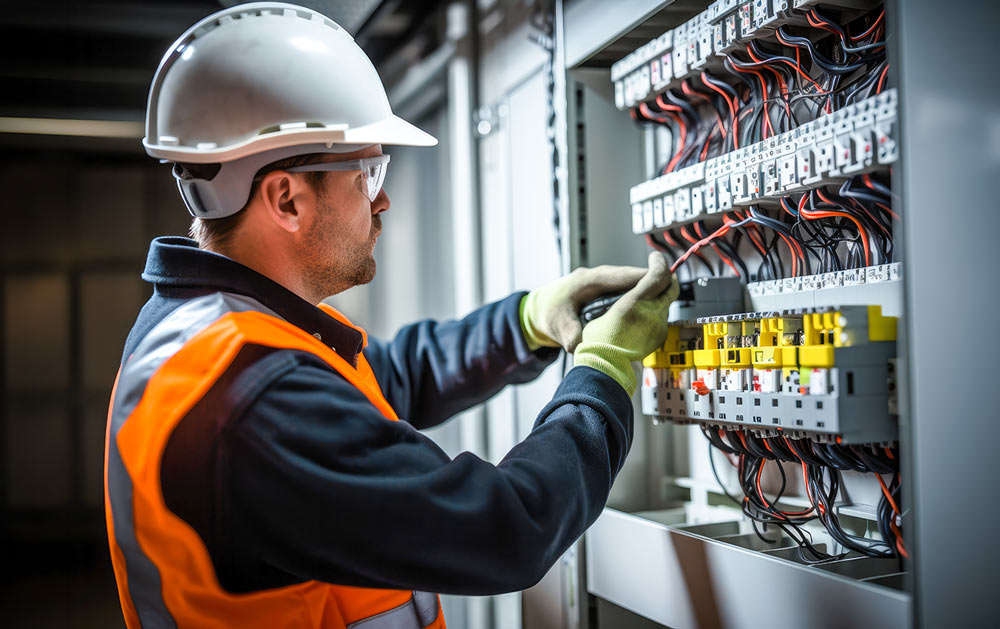
Many older properties still use traditional fuse boxes instead of modern consumer units or distribution boards fitted with circuit breakers and residual current devices (RCDs).
While older fuse boards may still function, they generally don’t provide the same level of protection as modern equipment.
Upgrading to a new distribution board offers several advantages:
- Improved electrical safety
- Faster fault detection
- Better protection against electric shock
- Easier maintenance
- Compliance with current regulations
For commercial buildings, an upgraded distribution system also makes future expansion much simpler.
4. You’re Constantly Using Extension Leads
Extension leads are useful for temporary situations, but they shouldn’t become a permanent solution.
If desks, machinery or workstations rely on multiple extension leads because there aren’t enough sockets, your building’s electrical layout may no longer meet operational needs.
Too many extension leads can:
- Overload circuits
- Increase fire risk
- Create trip hazards
- Make maintenance more difficult
Installing additional circuits and properly positioned sockets creates a safer and more practical working environment.
5. Rising Energy Bills Without Increased Usage
If your electricity bills continue to increase despite little change in how the building is used, ageing electrical equipment may be contributing to the problem.
Older systems often operate less efficiently than modern alternatives.
An electrical upgrade may include:
- LED lighting
- Smart lighting controls
- Energy monitoring
- Variable speed drives
- Modern switchgear
- Improved power management
These improvements can reduce unnecessary energy consumption while improving overall efficiency.
6. Your Building Has Expanded or Changed Use
Many commercial buildings evolve over time.
Perhaps additional offices have been created, production equipment has been installed or electric vehicle charging points have been added.
Every change increases the demand placed on the electrical installation.
If your building now contains significantly more electrical equipment than when it was originally designed, your existing infrastructure may no longer be adequate.
An electrical assessment can determine whether additional capacity or upgraded distribution equipment is required.
7. Electrical Equipment Frequently Overheats
Warm plug sockets, hot distribution boards or electrical equipment that regularly overheats should never be ignored.
Excessive heat may indicate:
- Loose connections
- Overloaded circuits
- Deteriorating components
- Poor-quality previous installations
- Insufficient capacity
Overheating can damage equipment and, in severe cases, increase the risk of electrical fires.
A professional inspection should always be arranged if overheating is suspected.
8. Your Electrical Installation Is More Than 25 Years Old
Electrical systems are designed to last for many years, but technology and safety standards continue to evolve.
A building with an installation that’s several decades old may still function, but it may not offer the efficiency, flexibility or level of protection expected today.
Even if there are no obvious faults, an ageing installation should be assessed periodically to identify worn components or outdated equipment before problems develop.
Modern electrical upgrades can improve reliability while making future maintenance easier.
9. You Need to Support New Technology
Today’s commercial buildings often include technologies that simply didn’t exist when many older electrical systems were installed.
Examples include:
- Electric vehicle charging
- Solar PV systems
- Battery storage
- Heat pumps
- Smart building controls
- High-speed networking
- Automated lighting systems
- Building management systems
Integrating these technologies often requires modifications to the existing electrical infrastructure.
Planning upgrades in advance makes future expansion much easier and avoids costly alterations later.
10. Your Electrical Installation No Longer Meets Current Standards
Electrical regulations are regularly updated to improve safety and reflect advances in technology.
Although an older installation may have complied with regulations when it was first installed, it may no longer meet current standards or best practice.
This becomes particularly important when:
- Leasing commercial property
- Selling a building
- Carrying out refurbishment work
- Changing building use
- Expanding facilities
Regular inspection and testing can identify areas where upgrades would improve compliance and reduce future risks.
The Benefits of Upgrading Your Electrical System
Investing in an electrical upgrade offers more than simply replacing ageing equipment.
A modern installation can provide:
Improved Safety
Modern protective devices reduce the risk of electric shock, overloads and electrical fires.
Greater Reliability
New equipment is generally more dependable, reducing unexpected downtime and maintenance issues.
Lower Energy Costs
Efficient lighting, controls and electrical infrastructure may reduce electricity consumption and operating expenses.
Future Flexibility
An upgraded system is better prepared to support new technology and future business growth.
Increased Property Value
Modern building services can make commercial properties more attractive to tenants, buyers and investors.
Why Professional Electrical Assessments Matter
Electrical systems are often hidden behind walls, ceilings and plant rooms, making it difficult to identify problems through visual inspection alone.
A professional electrical assessment can evaluate:
- Distribution boards
- Wiring condition
- Circuit capacity
- Earthing arrangements
- Protective devices
- Load requirements
- Compliance with current regulations
The findings allow building owners to plan upgrades before failures occur, reducing disruption and avoiding unexpected repair costs.
Conclusion
Your building’s electrical system plays a critical role in its safety, efficiency and day-to-day operation. While some warning signs, such as flickering lights or overloaded sockets, are easy to spot, others may only become apparent through professional inspection and testing.
If your property is showing one or more of these signs, it could be the right time to consider an upgrade. Modern electrical systems are designed to meet today’s demands while providing improved safety, greater energy efficiency and the flexibility to support future technologies.
At Armstrong MEP, we provide expert electrical design, installation, testing, upgrades and maintenance for commercial, industrial and residential properties. Whether you’re modernising an ageing electrical system or planning a new development, our experienced team delivers reliable solutions tailored to the needs of your building.