Every modern building relies on far more than bricks, steel and concrete. Hidden behind walls, above ceilings and beneath floors is a network of systems that make the building functional, safe and comfortable to occupy. From providing heating and lighting to delivering clean water and ensuring effective ventilation, these services are fundamental to how a property operates every day.
Collectively, these systems are known as MEP services, which stands for Mechanical, Electrical and Plumbing. Whether you’re constructing a new commercial development, renovating an office or upgrading an existing property, well-designed MEP systems play a vital role in the building’s performance, efficiency and long-term reliability.
In this guide, we’ll explain what MEP services are, what each discipline covers and why they are so important for modern buildings.
What Does MEP Stand For?
MEP stands for Mechanical, Electrical and Plumbing. These three disciplines work together to create safe, efficient and comfortable environments within residential, commercial and industrial buildings.
Although each discipline has its own specialist knowledge, they are closely interconnected. For example, an air conditioning system requires electrical power to operate, while drainage and water systems often need pumps and control equipment. Proper coordination between all three ensures that every building service works efficiently without conflicting with another.
Without carefully planned MEP systems, even the most impressive building would struggle to function effectively.
Mechanical Services Explained
Mechanical services are responsible for maintaining a comfortable indoor environment throughout the year. They regulate temperature, ventilation and air quality while helping buildings operate efficiently.
Mechanical services typically include:
- Heating systems
- Air conditioning systems
- Ventilation systems
- Heat pumps
- Boiler installations
- Chilled water systems
- Pipework installations
- Plant room installations
- Building controls
- Energy-efficient HVAC systems
A well-designed mechanical system not only improves occupant comfort but can also reduce energy consumption and lower operating costs.
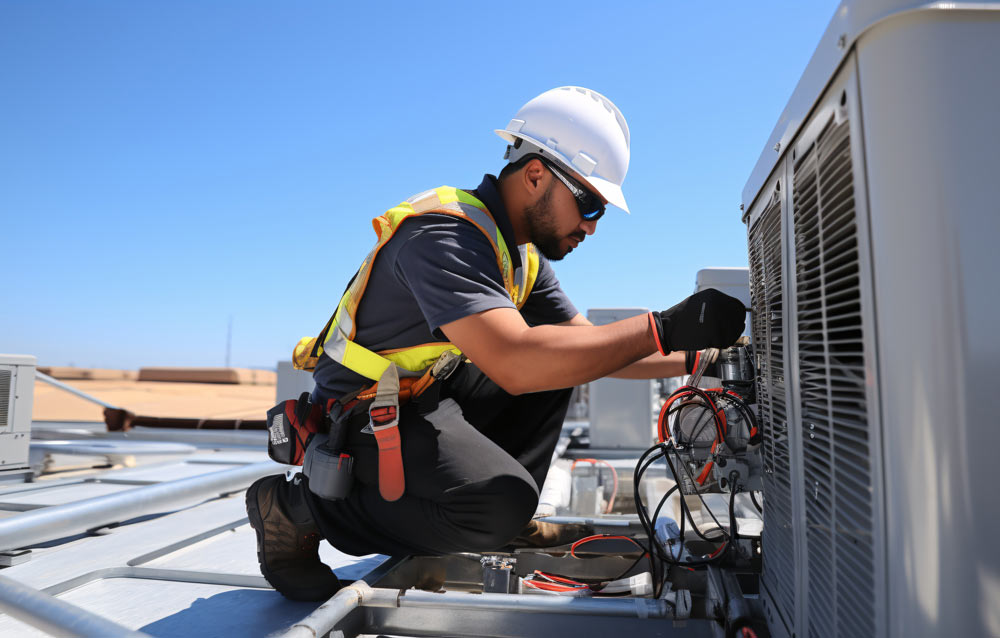
Modern HVAC (Heating, Ventilation and Air Conditioning) technology is increasingly designed to maximise efficiency while reducing environmental impact, making mechanical engineering a key part of sustainable building design.
Electrical Services Explained
Electrical systems provide the power that allows every other building service to operate safely and reliably.
Electrical services include far more than installing sockets and lighting. Today’s commercial buildings often contain sophisticated electrical infrastructure designed to support modern technology and changing business needs.
Typical electrical services include:
- Power distribution
- Internal and external lighting
- Emergency lighting
- Fire alarm systems
- Data cabling
- Security systems
- CCTV
- Access control
- Electrical testing
- Inspection and commissioning
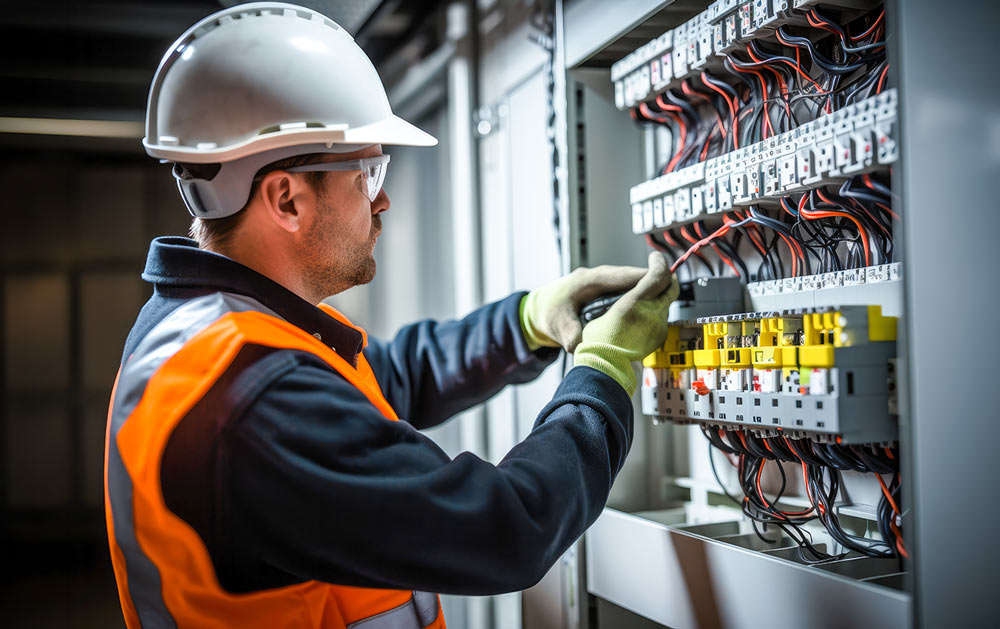
- Distribution boards
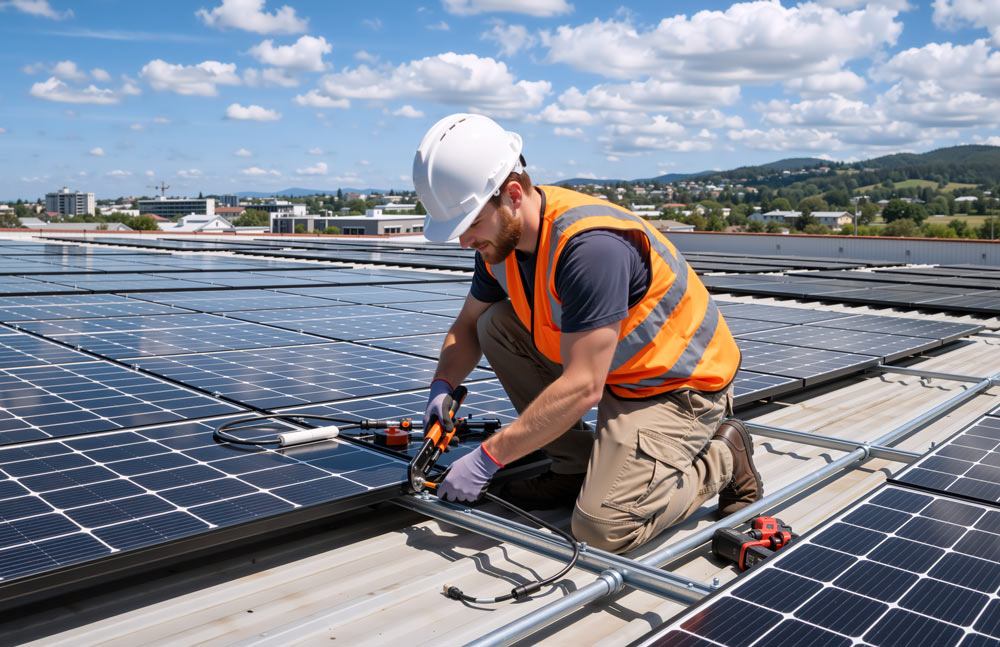
- Renewable energy integration
Electrical installations must comply with current regulations and British Standards to ensure they remain safe throughout their lifespan.
As buildings become smarter, electrical systems are also becoming increasingly intelligent, allowing building owners to monitor energy usage, automate lighting and improve operational efficiency.
Plumbing Services Explained
Plumbing systems manage the movement of clean water into a building and safely remove wastewater.
Although plumbing is often associated with domestic properties, commercial plumbing systems are considerably more complex and require careful planning to ensure reliability and compliance.
Plumbing services commonly include:
- Hot and cold water systems
- Drainage installations
- Wastewater systems
- Sanitaryware installations
- Rainwater systems
- Boosted water systems
- Pipework design
- Water storage
- Leak detection
- Maintenance and repairs
A properly designed plumbing system supports hygiene, protects water quality and helps prevent costly leaks or system failures.
Why Are MEP Services So Important?
Every building depends on its MEP infrastructure to operate efficiently.
Without reliable mechanical, electrical and plumbing systems, buildings quickly become uncomfortable, inefficient or even unsafe.
Some of the key benefits of professionally designed MEP services include:
Improved Energy Efficiency
Energy costs continue to rise, making efficient building services more important than ever.
Modern heating systems, LED lighting, smart controls and energy-efficient plumbing solutions can significantly reduce energy consumption while lowering operating costs over the life of a building.
Enhanced Occupant Comfort
People naturally perform better in environments that are comfortable.
Effective heating, cooling and ventilation help maintain stable temperatures and improve indoor air quality, creating healthier and more productive spaces for occupants.
Increased Safety
Electrical installations, emergency lighting, fire alarm systems and ventilation all contribute to building safety.
Professionally installed MEP systems help protect occupants while ensuring compliance with current safety regulations.
Greater Reliability
Poorly designed building services often lead to equipment failures, downtime and expensive repairs.
Careful planning, quality installation and regular maintenance improve reliability while reducing unexpected breakdowns.
Lower Long-Term Costs
Although quality MEP installations require investment, they often reduce operating expenses over the lifetime of the building.
Energy savings, reduced maintenance costs and longer equipment life all contribute towards a lower total cost of ownership.
The Importance of Coordinated MEP Design
One of the biggest challenges in construction is ensuring every building service fits together correctly.
Mechanical ductwork, electrical containment, plumbing pipework and structural elements all compete for space within ceilings, risers and service voids.
Coordinated MEP design helps identify potential clashes before construction begins, reducing costly delays and preventing unnecessary rework.
This collaborative approach benefits everyone involved, from architects and contractors to building owners and future occupants.
MEP Services Throughout a Building’s Lifecycle
MEP services are not only important during construction.
They continue to play a vital role throughout the entire lifespan of the building.
Typical stages include:
Design
Engineers develop efficient building service layouts based on the project’s requirements.
Installation
Qualified specialists install mechanical, electrical and plumbing systems to approved designs.
Testing and Commissioning
Every system is thoroughly tested to confirm safe operation and compliance before handover.
Planned Maintenance
Routine inspections and servicing help identify small issues before they become major failures.
Upgrades and Refurbishment
As technology advances, existing systems can often be upgraded to improve performance, increase energy efficiency and extend equipment life.
Why Choose a Single MEP Contractor?
Many construction projects benefit from appointing one contractor to deliver all mechanical, electrical and plumbing services.
Rather than coordinating multiple companies, clients have a single point of contact responsible for managing every aspect of the project.
This approach often provides:
- Better communication
- Improved project coordination
- Reduced programme delays
- Greater quality control
- Simplified project management
- Faster problem resolution
- More efficient installation sequencing
Ultimately, integrated MEP delivery helps projects run more smoothly while reducing the risk of costly coordination issues.
Choosing the Right MEP Partner
Selecting an experienced MEP contractor is an important decision that can influence the long-term performance of your building.
Look for a company with proven technical expertise, a strong focus on quality, experience across a range of sectors and a commitment to delivering projects safely and efficiently.
The right contractor will work closely with architects, consultants, developers and building owners to ensure every system is designed, installed and maintained to the highest standards.
Conclusion
MEP services form the backbone of every modern building. While they often remain hidden from view, they are responsible for creating comfortable, efficient and safe environments where people can live, work and thrive.
From heating and ventilation to electrical infrastructure and plumbing systems, every component must work together seamlessly to achieve the best possible performance.
Whether you’re planning a new development, refurbishing an existing property or looking to improve the efficiency of your current building services, investing in professionally designed and installed MEP systems is an investment in the long-term success of your property.
At Armstrong MEP, we provide comprehensive mechanical, electrical and plumbing services, from design and installation through to testing, commissioning and ongoing maintenance. Our experienced team works closely with every client to deliver reliable, energy-efficient building services tailored to the needs of each project.